 Web HostingBudget-friendly shared hosting plans
 Domains SearchFrom .com to unique country domains, explore and register extensions worldwide.
 WordPress HostingPower your blog or business with WordPress hosting.
 Email HostingSimple, secure email hosting that helps you stay connected and professional.
 Reseller HostingStart your own hosting business with easy and reliable reseller hosting plans.
 AffiliateJoin our affiliate program and earn commissions every time you bring in new customers.
 cPanel HostingHosting powered by cPanel, the world’s most user-friendly control panel.
 Windows HostingBuilt for Windows applications and websites
 IN Domain PricesDon’t miss out on the best domain deals in India!
 WHOIS LookupFind out who owns a domain name with a quick and easy WHOIS search.
 Domain TransferTransfer your domain to us and enjoy reliable support every step of the way.
 .Com DomainGet the most trusted domain for worldwide credibility
 All TldsSearch and register domain extensions worldwide.
 SSL CertificatesProtect your website with trusted SSL certificates and keep customer data safe.
 VPS HostingPowerful virtual servers. Full root access. Reliable uptime.
 Managed VPS HostingNot a tech expert? Choose our fully managed VPS service.
 Dedicated ServersTake full power and total control of your own physical server.
 AI Website BuilderCreate stunning websites instantly with our easy AI builder.
 Online ShopBuild your eCommerce store easily, no coding, just growth.
 Web Design ServicesGet a website built for your brand and designed for your goals.
 Contact UsReach out to us for support or questions.
 SupportGet answers and how-to guides for all our services.
 BlogRead our latest blogs on web hosting, online business, digital marketing, and other helpful topics.
If you own a website in India or you are planning to start one, you have probably seen the words SSL and TSL being thrown around online.
Maybe in your hosting dashboard, maybe on pricing pages, maybe when your browser tells you a site is Secure.
But these words can feel confusing if you don’t come from a technical background.
So let us talk about them in the simplest way possible.
None of those complicated diagrams. No technical lecture.
Just you and me having a conversation about what these things really mean, why they matter, and what you should use for your website.
By the time you finish reading this, you will know exactly what SSL vs TSL means.
What SSL and TLS Really Mean
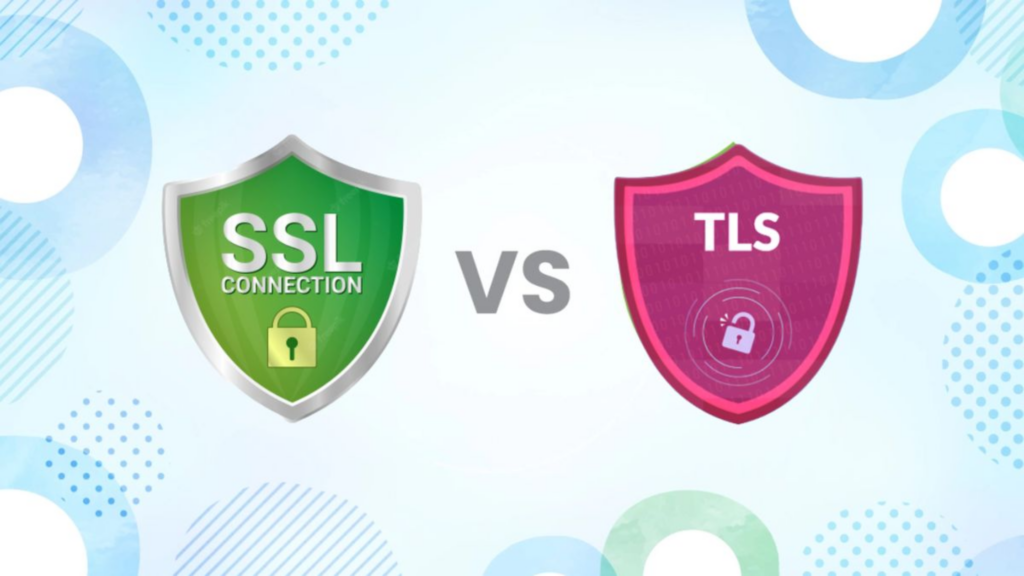
Before we talk about ssl vs tls, let us first understand what each one is. SSL stands for Secure Sockets Layer.
TLS stands for Transport Layer Security.
Both were created to keep the connection between a visitor and a website private.
When someone visits your site, information moves between their browser and your server.
This information can include contact forms, login details, email addresses, or anything typed on the site.
SSL was the first method created to protect this information.
It helped websites secure their traffic and prevent outsiders from accessing sensitive details.
Over time, experts realized SSL had weaknesses.
Hackers found ways to break into old SSL connections.
That is when TLS came in.
TLS is simply the improved version of SSL.
It follows the same goal but uses stronger methods.
Today, most secure websites use TLS even though many people still call it SSL.
When you see a website with the lock sign in the browser, the technology working behind the scenes is almost always TLS.
So, ssl vs tls is mostly a conversation about old security vs newer security.
SSL came first, but it reached a point where the older versions could no longer keep up with modern threats.
TLS took over and became the standard.
No major browser supports old SSL versions today because they are unsafe.
TLS continues to evolve and receive new improvements, which makes it the better option for websites.
Secure your website today with a Truehost SSL certificate powered by modern TLS encryption.
How SSL vs TLS affects your website
This is the part that is very important to you as a website owner in India.
When visitors open your site, their browser checks if your connection is secure.
If you have a certificate that supports TLS, your visitor sees the secure lock sign.
Most people trust a website more when they see that lock.
Search engines also trust it more.
Many customers leave immediately when they see a warning that a website is not secure.
So your security setup can directly affect trust, conversions, and even your ranking.
SSL certificates are still sold with the name SSL because that is the name everyone knows.
But the certificate you buy works on TLS by default.
It supports modern protocols, which means it uses updated security.
In the ssl vs tls comparison, TLS always comes out as the stronger option.
That is why you need TLS support for your website.
You do not need to buy something separate called a TLS certificate. The modern SSL certificate already includes it.
When you install it on your website, your server and your visitor’s browser agree on the best possible protocol to use.
They will always choose the latest version of TLS available.
Older SSL protocols are ignored because they are outdated.
This keeps your website safe and allows your visitors to browse without security warnings.
Why SSL is no Longer Used But the Name Remains
Many website owners get confused because hosting companies still say Buy SSL.
The name remains because people recognize it.
SSL was introduced earlier and became a familiar term. TLS replaced it, but the industry kept using the name SSL for simplicity.
So when you see companies advertise SSL certificates, what they really mean is modern TLS-enabled certificates that run securely.
In the ssl vs tls topic, SSL versions ended long ago. TLS took over.
So the name SSL certificate refers to a certificate that supports TLS.
You do not have to worry about manually choosing one over the other.
The important part is to install a certificate that follows the latest standards.
A good provider handles this for you.
They issue certificates that support TLS 1.2 and TLS 1.3. These are the strongest versions available today.
Your main job is to make sure you buy from a trusted provider.
When you get the certificate, your host will help you install it, or you can install it through your dashboard.
Once active, your website becomes secure, private, and trusted.
How SSL vs TLS Works Behind The Scenes
You do not need to understand advanced processes, but it helps to know a little about what happens when someone opens your website.
Their browser connects to your server and requests a secure connection. The server presents your certificate.
The browser checks if the certificate is valid and trusted. When it confirms this, both sides create a secure connection that protects all communication.
With SSL, this process had weak areas.
Hackers found ways to trick or expose parts of the connection.
With TLS, these weaknesses were fixed.
TLS uses updated methods to verify certificates, protect the connection, and close the gaps that SSL left behind.
In the ssl vs tls comparison, TLS has better speed, updated algorithms, and stronger protection.
This means your visitors load your website faster, safer, and with fewer risks.
Browsers prefer TLS. Hosting companies prefer TLS. Search engines prefer TLS.
It gives you a complete security upgrade without extra effort from your side.
Why TLS is Important For Websites in India
Many Indian websites deal with forms, online payments, logins, and user data. Even a simple contact form collects information that needs protection.
Browsers today will warn visitors if a website uses outdated or weak security. These warnings can cause people to leave immediately.
When your site uses TLS, browsers treat it as safe. Visitors browse comfortably, fill forms, read your content, and stay longer.
TLS support also matters for mobile users. India has millions of mobile internet users.
TLS offers better performance on mobile networks. Your website loads smoothly even when the network fluctuates.
This gives you a better user experience and lowers bounce rates.
TLS is also important for compliance. Many industries in India need strong security standards when handling user information.
TLS makes compliance easier by following global security rules.
Updating your certificate and keeping your server on modern TLS helps you meet these expectations.
How to Make Sure Your Site Uses TLS Correctly
You may wonder how you can be sure your website is using the right protocol. Here is the simple process:
- Buy a secure SSL certificate from a trusted provider like Truehost India.
- Install it through your hosting dashboard or ask your host to install it.
- Check your certificate details inside your hosting account.
- Confirm that your server supports TLS 1.2 or TLS 1.3.
- Open your website in your browser and check for the secure lock sign.
- Run your website through an SSL checking tool to confirm TLS support.
These steps are simple and do not require technical skill. A good hosting provider handles most of it for you.
You only need to activate your certificate and confirm everything is working correctly.
Final Thoughts
I hope this guide has helped you understand ssl vs tls in the simplest way possible.
You now know what SSL is, why TLS replaced it, and how the two compare. You also know what your website needs to stay secure and trusted.
You do not need to worry about the technical details. The most important step is choosing a strong certificate that supports modern TLS standards.
When your site is secure, you build trust. You protect your visitors. You improve your ranking.
You avoid browser warnings. You create a safe space for people to interact with your content, services, or business.
If you want the easiest and most reliable way to secure your website, you can get a certificate that supports modern TLS directly from Truehost.
Protect your website today with a Truehost SSL certificate backed by powerful TLS encryption. Simple, fast, and secure.